Purpose and Promise
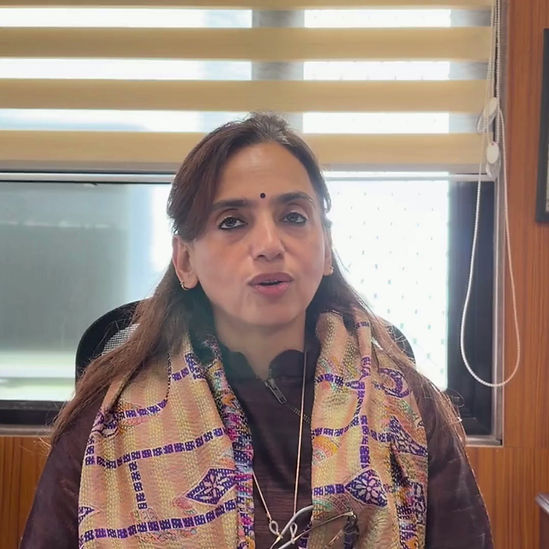

Ms. Manmeet Kaur Nanda
Additional Secretary,
Department of Empowerment of Persons with Disabilities (DEPwD), Government of India
It gives me great pleasure to see that, through this coalition, experts across disabilities will engage on intersectional issues, and a wide range of stakeholders will bring their lived experiences to help us shape the right approach to disability policy and interventions.
I look forward to enriching our own learnings as a department and advancing policies and interventions that are both effective and practical.
The President Speaks
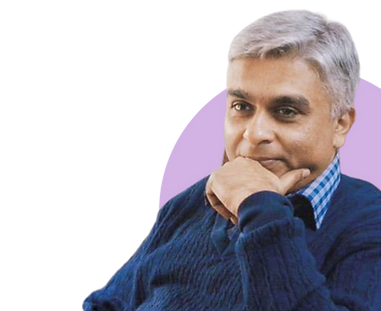
George Abraham
Ten years since the enactment of the Rights of Persons with Disabilities (RPwD) Act, India stands at an important moment of reflection. The Act marked a significant step forward, aligning the country with the UNCRPD and laying down a strong framework for accessibility, inclusion, and equal opportunity. Yet, the true measure of its success lies in its implementation, and it is here that we must acknowledge the gaps that persist. Across both physical and digital infrastructures, from public spaces to government platforms and essential services, accessibility remains uneven. Too often, this is not due to a lack of policy, but a lack of awareness, coordination, and practical sensitivity in execution. As a result, many of the rights guaranteed under the Act have yet to fully translate into everyday realities for persons with disabilities. This moment calls for renewed resolve and collective action. The Accessibility Coalition represents a crucial step in that direction, bringing together institutions, advocates, and stakeholders to move from fragmented efforts to a unified, accountable approach. With the right alignment of intent and action, I am confident that such a platform can help drive meaningful, systemic change, ensuring that the promise of the RPwD Act is realised not just in principle, but in practice.


Hear from the Secretary General
The Rights of Persons with Disabilities Act, 2016 was a landmark moment in India’s journey towards inclusion and equality. Framed in line with the United Nations Convention on the Rights of Persons with Disabilities, it redefined disability through a social and rights-based lens rather than a purely medical one. It expanded the recognised categories of disabilities from 7 to 21, brought the private sector within its scope, and made accessibility, for the first time, a legal obligation. However, the promise of the law can only be fulfilled through effective implementation. Disability is not a single-sector issue; it is deeply intersectional and requires coordinated action across government, civil society, and industry. Yet too often, efforts remain fragmented. Many organisations work within disability-specific silos, conversations are concentrated in Delhi, and there is limited collaboration between civil society and the private sector on accessibility. The Accessibility Coalition was created to change that. Our purpose is to build a shared platform that brings together civil society, industry, and government in a spirit of partnership and action. By closing these gaps, we can collectively advance our common mission: building an Accessible India.
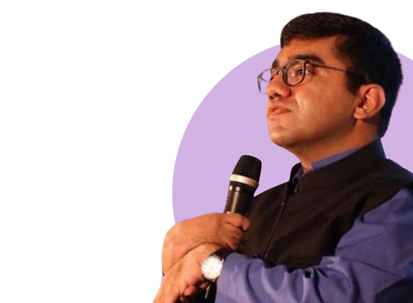
Nipun Malhotra